Main Content
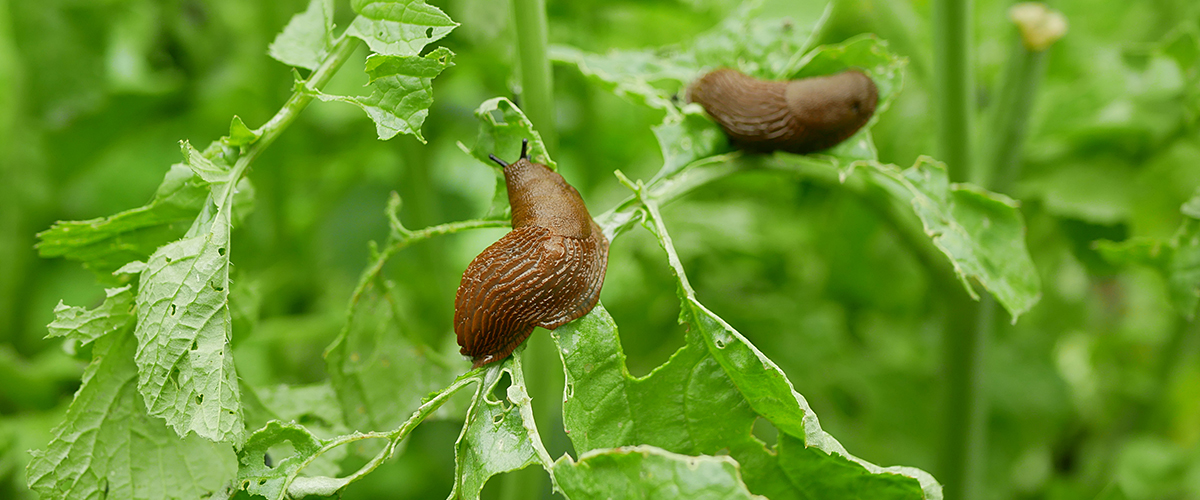
Learn how to identify common urban food crop pests, recognize beneficial insects, and manage pest problems using sustainable Integrated Pest Management (IPM) practices for urban gardens and farms.
Price
$45
Registration Closes
June 6, 2026
Course Start
June 7, 2026
Course End
June 28, 2026
Who Should Take This Course
This course is designed for people who are actively growing food in an urban setting, such as community gardeners, nonprofit farmers, and small/emerging commercial growers, including those with little or no formal agricultural training. Participants should currently have access to a garden or farm space, since course assignments will involve applying lessons to your own site.
Course Objectives
This course teaches the basics of Integrated Pest Management (IPM) for urban growers using research-backed practices taught by subject matter experts. You will learn how to identify common food crop pests, recognize beneficial insects, monitor crop health, and apply sustainable pest management strategies in urban agriculture settings.
You will learn how to:
- Identify common insect pests affecting urban food crops
- Recognize beneficial insects and understand their role in crop protection
- Apply cultural, mechanical, biological, and chemical IPM strategies
- Monitor and assess crop damage and pest pressures
- Develop a basic site-specific Integrated Pest Management plan
Course Format
This course combines online learning with hands-on practice:
- Online lessons (self-paced): Short videos and quizzes you can complete on your own time
- At-home activities: Apply what you learn to your own growing space
- Optional online office hours: Chat with the instructor about your questions in real time online during designated office hours if you want extra support.
- In-person workshop: Join us for an interactive, on-site workshop on June 20 in New Brunswick where you’ll see course concepts in action on an urban farm at Rutgers Gardens. You’ll have the chance to learn from pest management experts, connect with others in the program, and explore how these practices work in real-world settings. Further details will be shared with registered participants before the workshop.
Time Commitment
About 8-10 total hours over 3 weeks, including:
- ~2-3 hours of online lessons
- ~1.5 hours of at-home activities
- 4–6 hour in-person workshop
You can complete the online portion when it works for your schedule.
Meet Your Instructor
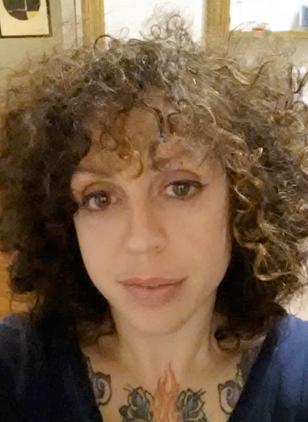
April Micci is an adjunct instructor at Rutgers University with a background in plant health and plant diseases. Her research has focused on how fungi and helpful microbes affect plant growth and health. She also has experience identifying plant diseases, pest problems, and nutrient issues in greenhouse crops, including using Integrated Pest Management (IPM) monitoring practices. A lifelong food gardener, April has taught college-level biology since 2015 and is interested in plant science, urban agriculture, and science education.
Why This Course Matters
Managing pests effectively is essential for maintaining healthy crops and sustainable urban growing systems. This course helps you:
- Improve crop health and productivity
- Reduce unnecessary pesticide use
- Build practical IPM skills used in professional growing environments
What You’ll Walk Away With
By the end of the course, you will have:
- A basic Integrated Pest Management plan that you have developed for your own site
- Practical pest monitoring and management skills you can use immediately
- A Rutgers certificate of completion to show your training and knowledge
- Connections with fellow growers and instructors who can share ideas, experiences, and encouragement
- Unlimited access to course content even after the course ends so you can reference helpful resources whenever you want
Frequently Asked Questions
Do I need to complete all coursework by the course end date to get my certificate?
Yes. You will need to complete all required coursework with a passing grade and participate in the in-person workshop by the course close date to receive your certificate of completion. Class lessons will be released during the first two weeks of the course; the third week is for you to catch up on any coursework you weren’t able to finish earlier.
If I don’t pass an assignment at first, can I fix it and resubmit it?
Yes. If you do not pass an assignment on your first attempt, you will have the opportunity to review feedback, make improvements, and resubmit your work. Our goal is to help participants learn the material and build real skills they can use in their garden or farm. We want you to succeed in the course and earn your certificate of completion.
Have more questions?
Contact Carenny Reyes.